
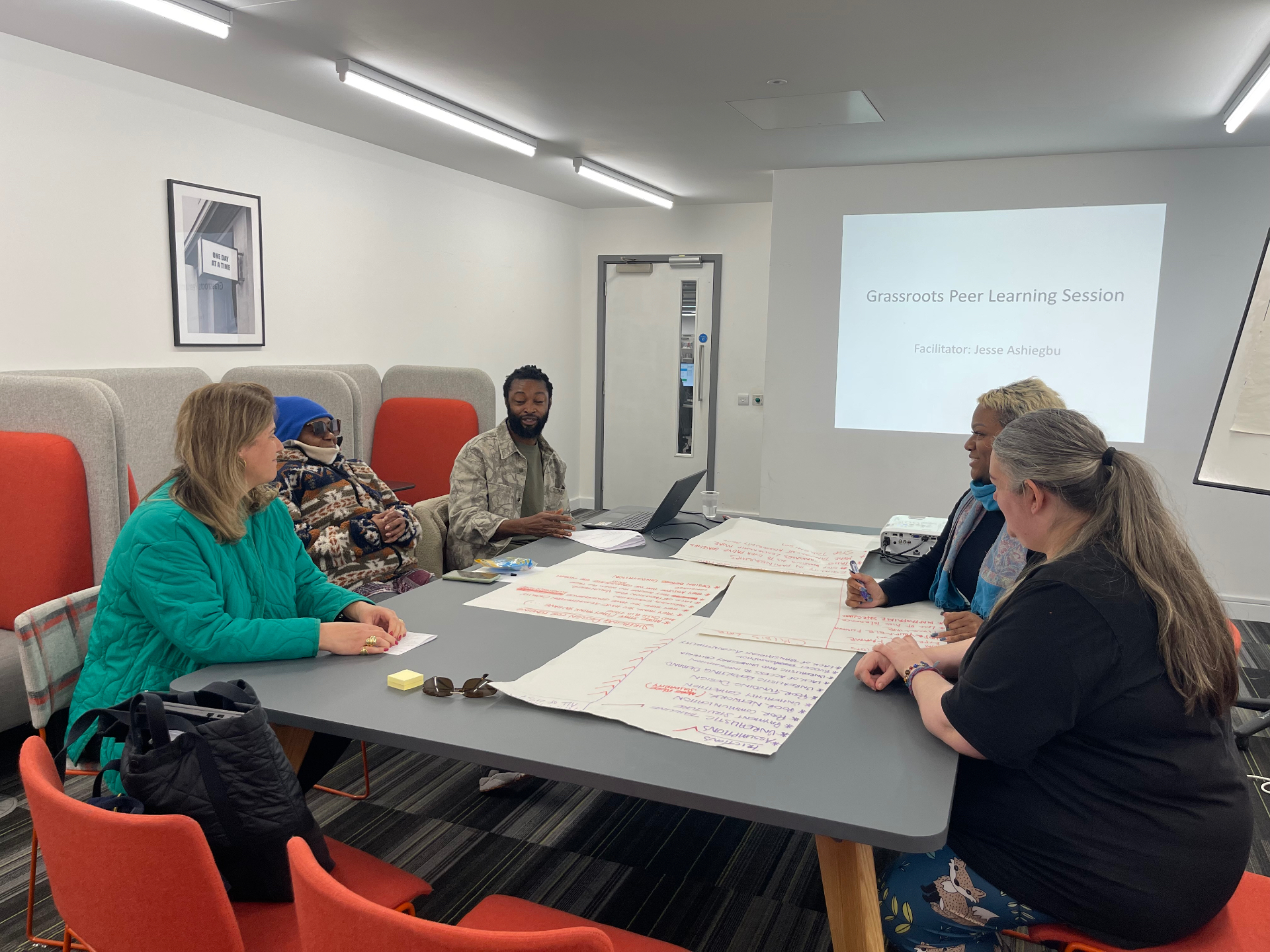
Shared Learning
One Table Instead Of Five Tables
Organisations often work towards similar goals. Infrastructure creates a shared space to learn and solve problems together.
Most projects spend time rebuilding trust. Jollof Nights™ provides shared infrastructure so organisations can reach communities through existing relationships.
Five ladders climbing separately
Each project rebuilds trust on its own.
One staircase used by everyone
One trusted route. Many priorities travel through it.
Many organisations work towards similar outcomes. Shared Trust Infrastructure allows them to work together.
Organisations often work towards similar goals. Infrastructure creates a shared space to learn and solve problems together.
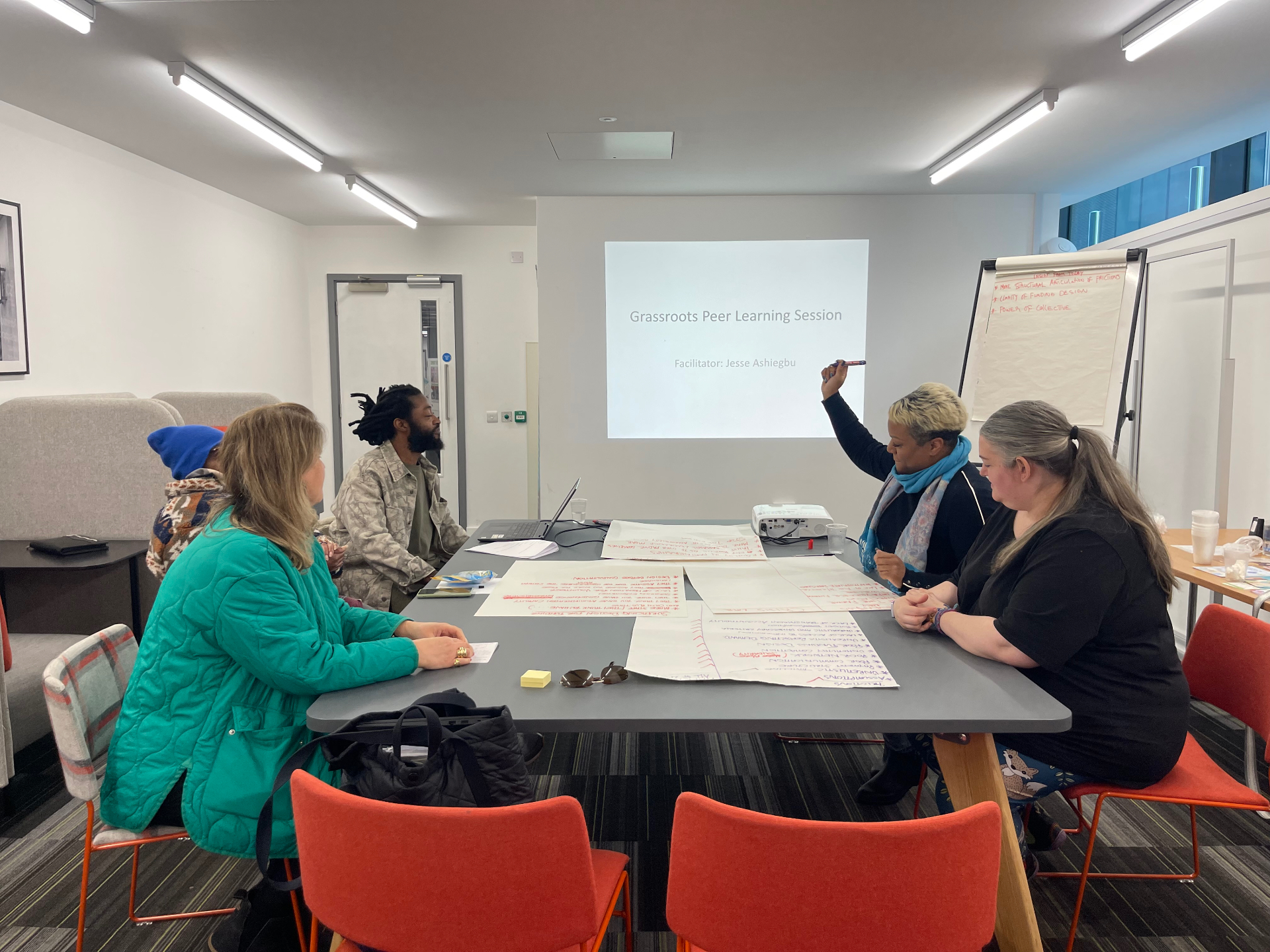
Infrastructure is more than technology. It transfers trust and relationships between organisations and communities.
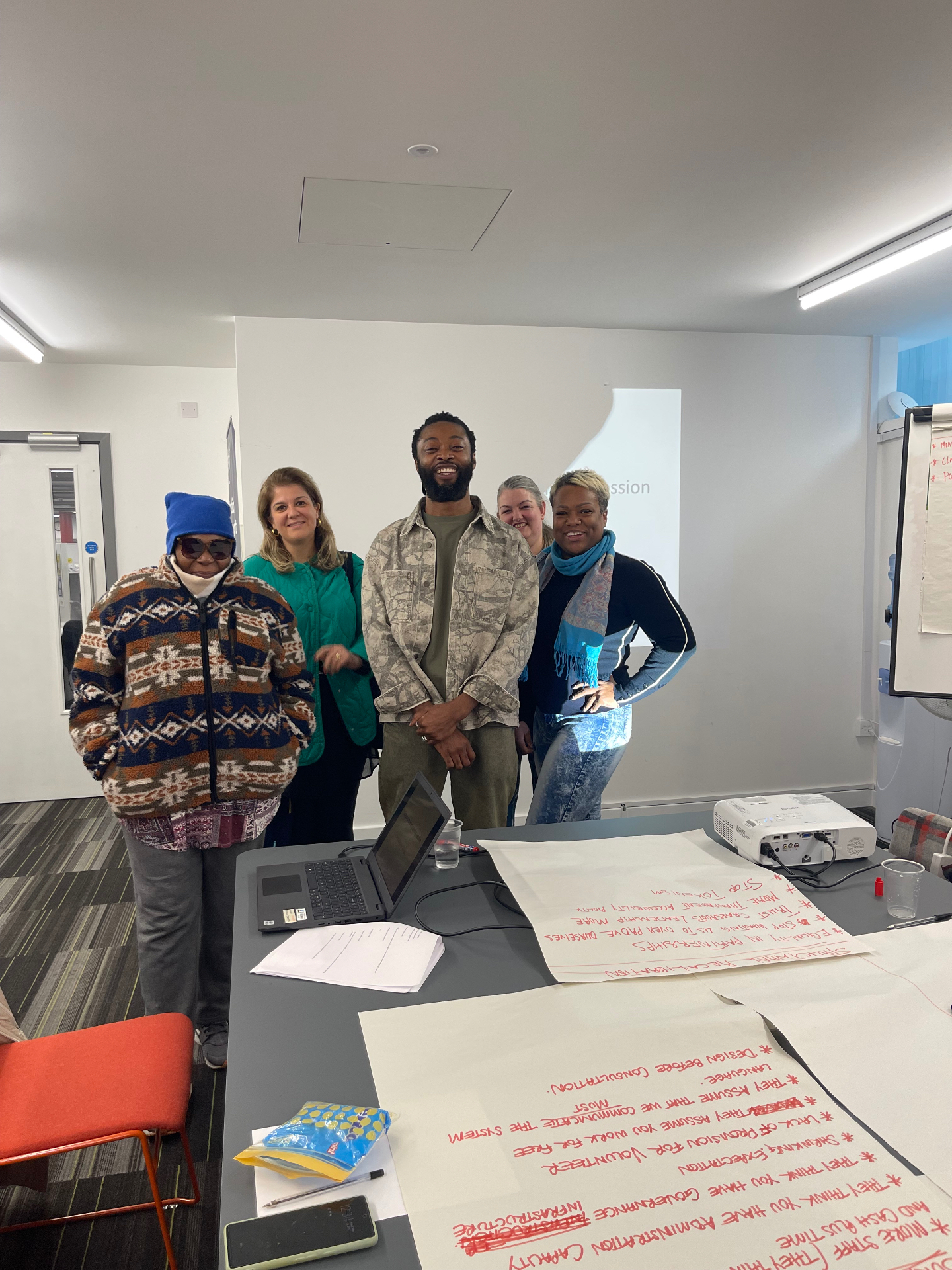
With trust infrastructure, organisations no longer work alone. Communities and services become part of a network that creates larger impact together.
“The future is shared infrastructure that allows many projects to succeed.”
“Infrastructure reduces duplication and increases collective impact.”
Public services and researchers face the same challenge. The difficulty is not designing interventions. It is helping people engage with them.
A trusted route into communities
A relationship infrastructure
A platform many priorities can travel through
Invest in one trusted staircase instead of five separate ladders.
Lower Engagement Costs
Trust already exists.
Reduced Duplication
Multiple programmes use the same infrastructure.
Improved Participation
People engage more readily through trusted relationships.
Longer-Term Value
Infrastructure remains when projects end.
Shared infrastructure costs less than duplicated projects.
Explore how partners use shared trust infrastructure to reach communities through relationships that already exist.
Was this page useful?
Anchor
You keep your identity. We strengthen your trust environment.
The barbershop stays a barbershop. The church stays a church. The family centre stays a family centre. Jollof Nights™ runs underneath — quietly turning those spaces into recurring trust environments for prevention.